Agricultural netting is widely used in agriculture and horticulture as a standard protective material. It safeguards crops,
fruit trees, and ornamental plants against damage from birds, pests, and wildlife, while also mitigating the impact of extreme
environmental conditions, thereby effectively enhancing overall cultivation efficiency and yields.
When sourcing agricultural netting, many buyers struggle to quickly identify suitable manufacturers. Significant differences
exist among suppliers regarding raw materials, production processes, customization capabilities, and after-sales service standards
—factors that directly influence product quality and the stability of long-term partnerships.
For wholesalers, distributors, and purchasing enterprises, selecting a reliable manufacturer can effectively minimize procurement
risks and foster a stable, long-term supply relationship.This article outlines the key criteria for evaluating and selecting agricultural
netting suppliers.
Before selecting a manufacturer, you need to define your specific usage scenario and product requirements. Different
agricultural cultivation and landscaping projects require different types of protective netting.
Common agricultural netting products and their uses:
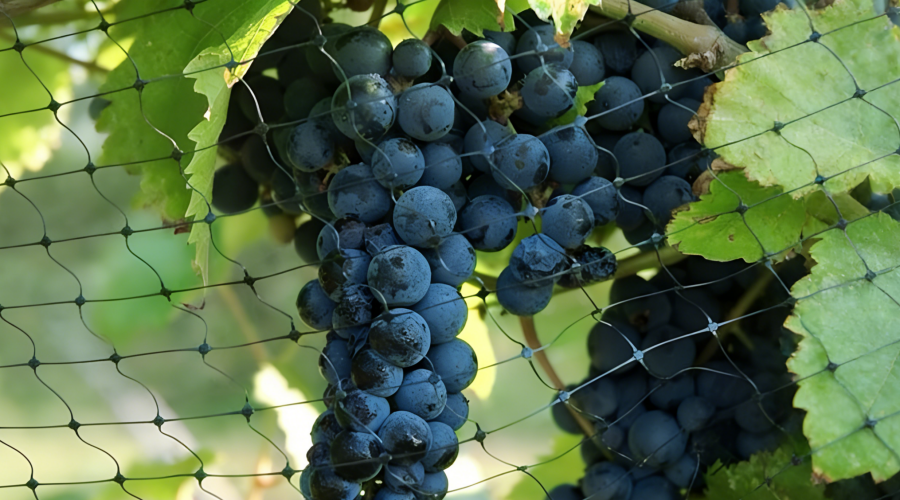
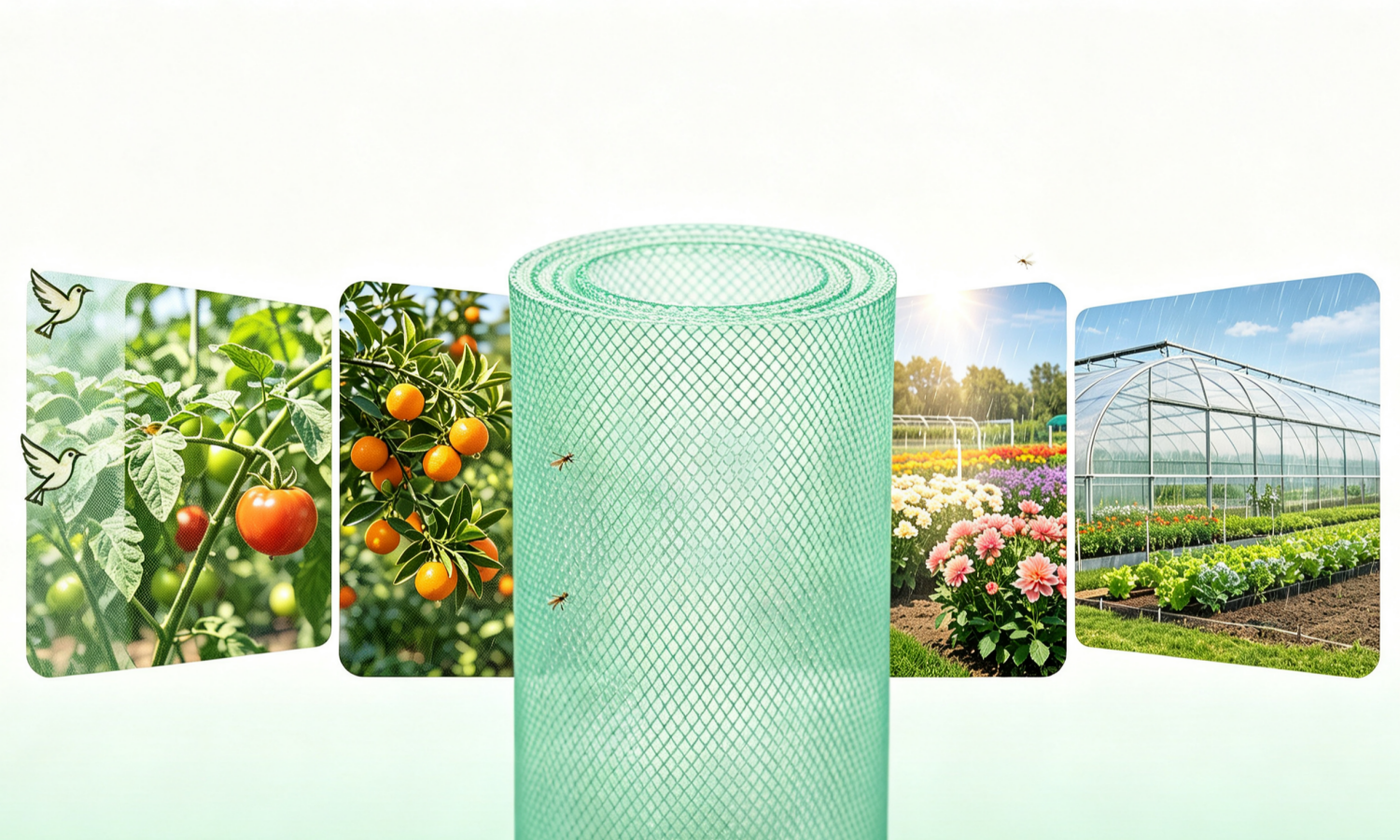
- Bird netting: Protects fruit trees, grain crops, and cash crops from bird damage.
- Insect netting: Blocks agricultural pests while ensuring proper ventilation and light transmission, without hindering crop growth.
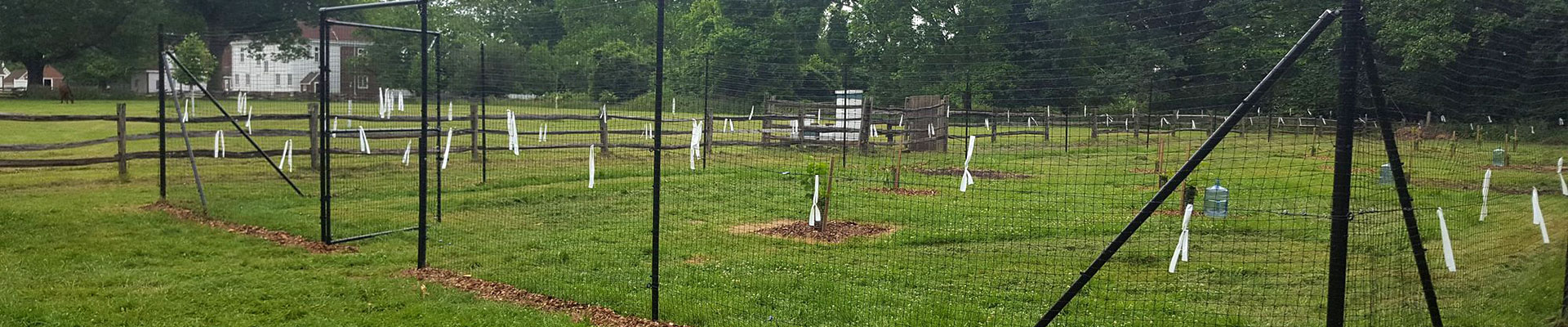
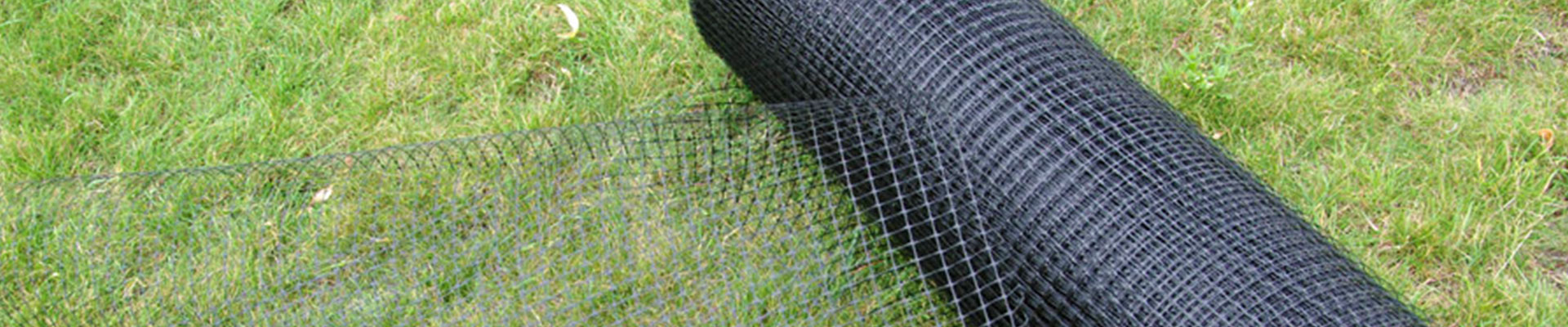
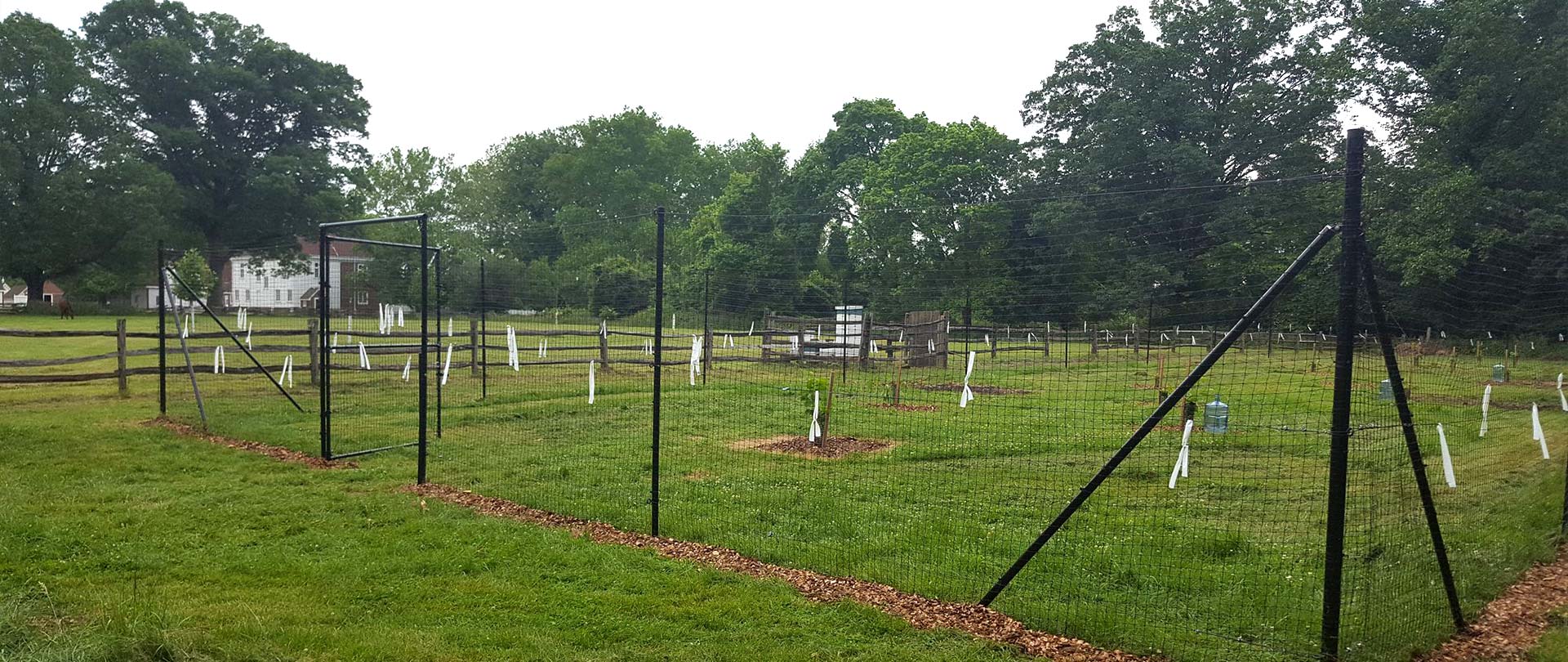
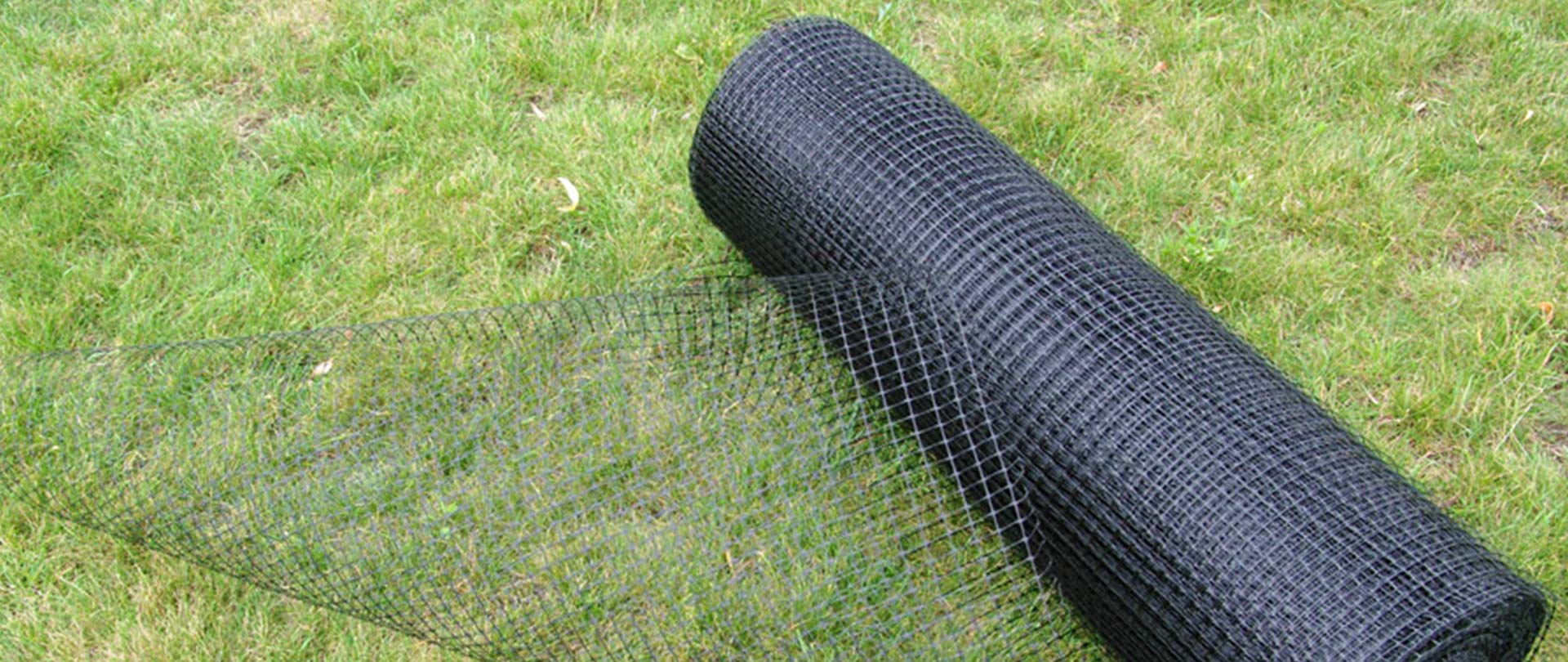
- Mole netting: Protects lawns, gardens, and vegetable patches by preventing moles and other burrowing animals from damaging
the soil and plant roots.
- Deer fencing: Keeps deer and other large wildlife out of fields and orchards to prevent crop damage.
- Landscaping fencing: Used for site demarcation while providing basic protection for garden plants.
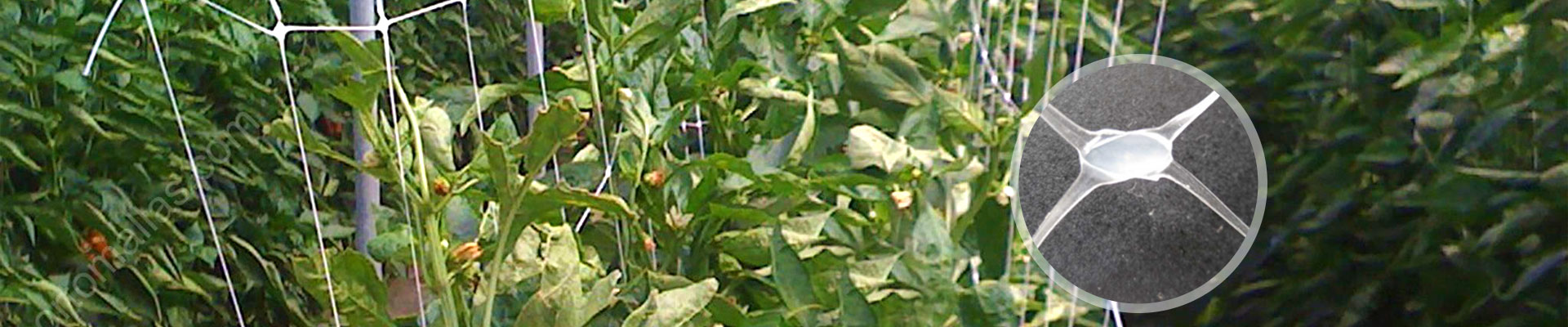
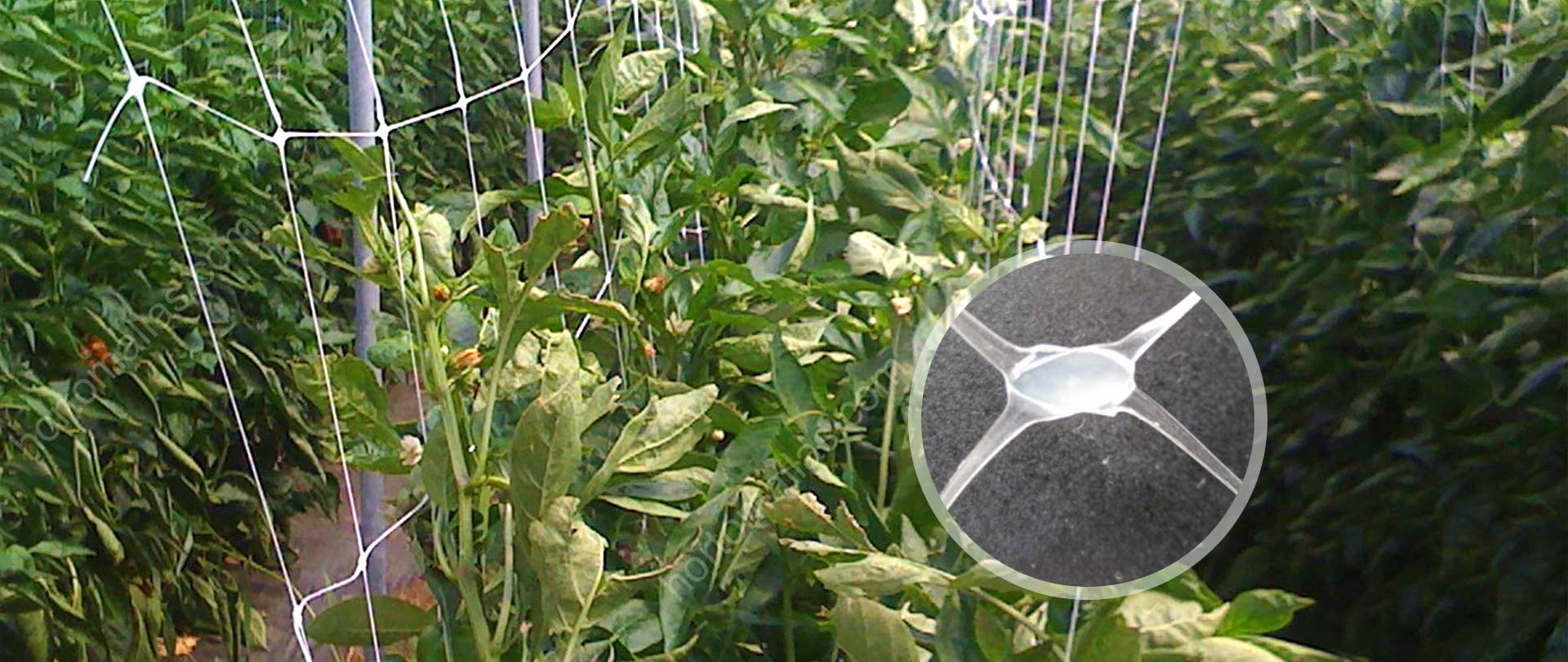
- Plant support netting: Provides structural support for vining and climbing crops, aiding their growth.
A reliable agricultural netting factory can provide suitable or customized products based on your actual needs.
When purchasing large quantities of agricultural netting, prioritise partnering with the original manufacturers. Compared
to trading companies, direct supply from manufacturers offers several key advantages:
- Price advantage: Direct supply from the manufacturer eliminates the mark-ups imposed by intermediaries, resulting in
lower procurement costs and more stable prices
- Controllable quality: Factories independently manage the entire process—from raw material procurement and production
to finished product testing—ensuring more consistent product quality
- Customisation capabilities: Products can be tailored to customers’ specifications and requirements, supporting bespoke
production
- Efficient communication: Direct liaison with the production team allows for rapid confirmation of product specifications,
sample standards, production schedules and delivery details
Before entering into a partnership, you must verify that the other party has its own factory and production equipment to ensure
they are a genuine manufacturer, not a middleman.
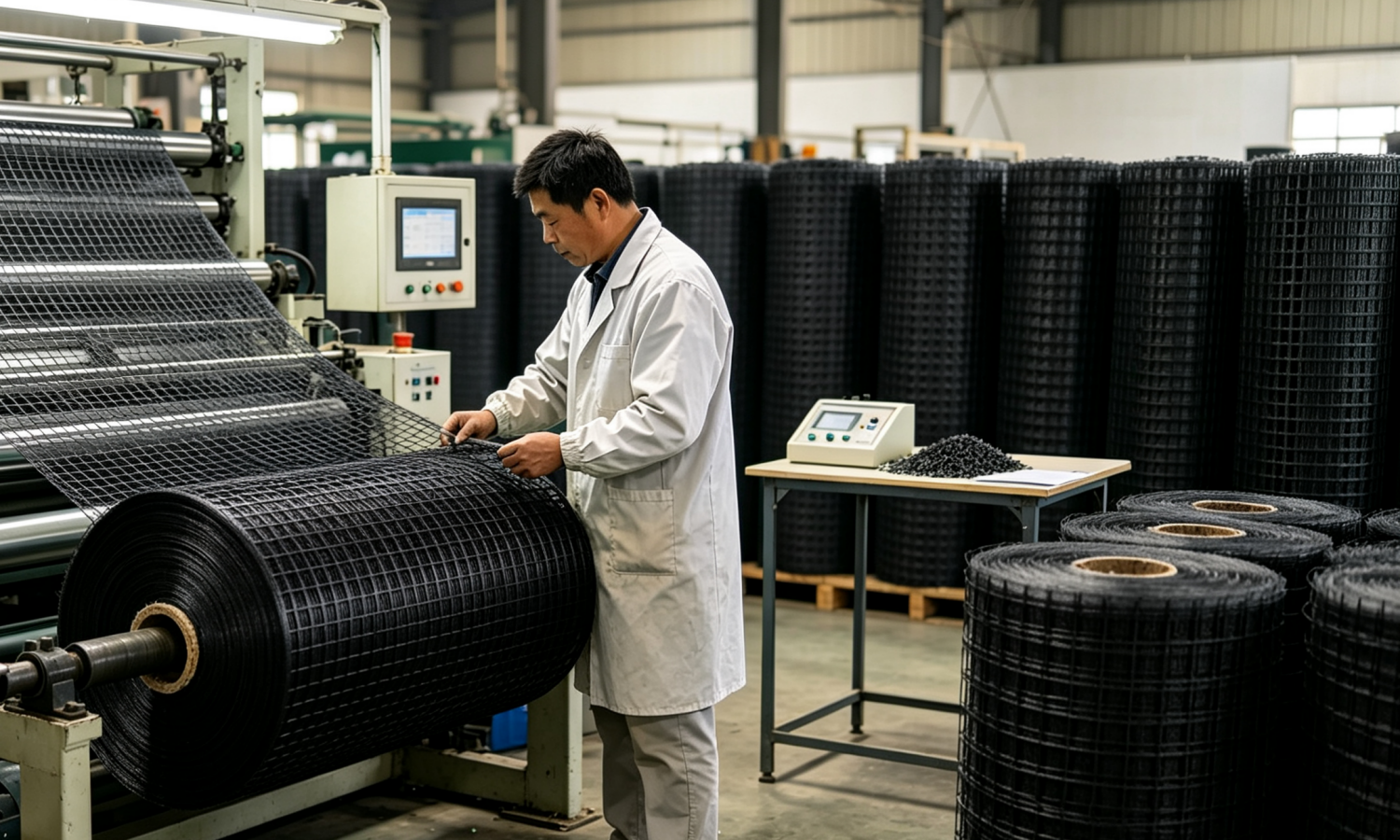
The quality of the raw materials directly determines whether agricultural netting is durable, resistant to sunlight and how long
it will last. There are primarily two types of raw materials used for agricultural netting on the market:
1. PP (Polypropylene) netting
Durable, lightweight and inexpensive, offering excellent value for money; suitable for most standard agricultural applications.
2. HDPE (High-Density Polyethylene) Netting
Offers better UV resistance, is less prone to ageing and damage, has greater toughness and a longer service life, making it suitable
for year-round outdoor use.
Reputable manufacturers ensure that the material and quality remain consistent across every batch of goods and will not substitute
materials.
A reliable factory will be well-equipped and have ample production experience. When sourcing, focus on two key aspects:
production capacity and manufacturing processes.
1. Supply capacity: A factory with sufficient output can dispatch large-volume orders on time, avoiding delays or stock shortages.
2. Production Process: Different production processes result in nets of varying quality
- Extruded plastic netting: Quick turnaround and sturdy construction, suitable for most agricultural applications
- Biaxially oriented plastic netting: More robust, resistant to deformation and wear, with a longer service life
Understanding the production process will help you select the product best suited to your market.
Quality is the most important criterion when selecting a supplier. Before placing an order, be sure to check the following points:
- UV resistance and anti-ageing: Nets for outdoor use must be resistant to sunlight; they must not become brittle, crack or
age when exposed to prolonged sunlight
- Uniform mesh size: Consistent mesh size ensures reliable protection, effectively keeping out birds, insects and small animals
- High tensile strength: The netting is robust and unlikely to tear during installation or use, minimising after-sales issues
- Standard weight per square metre: The product must be of sufficient weight and made from substantial materials, with no
corners cut, to ensure durability and a long service life
Reputable factories will carry out thorough quality inspections before dispatch to ensure every product meets the required standards.
Many distributors require bespoke designs to suit their local markets. High-quality factories offer a full range of customisation and private-label services:
- Customisable mesh size, width and length
- Customisable product colours and outer packaging
- Option to print your own brand logo and labels
Customised products allow your range to stand out, sell better and better meet local market demands.
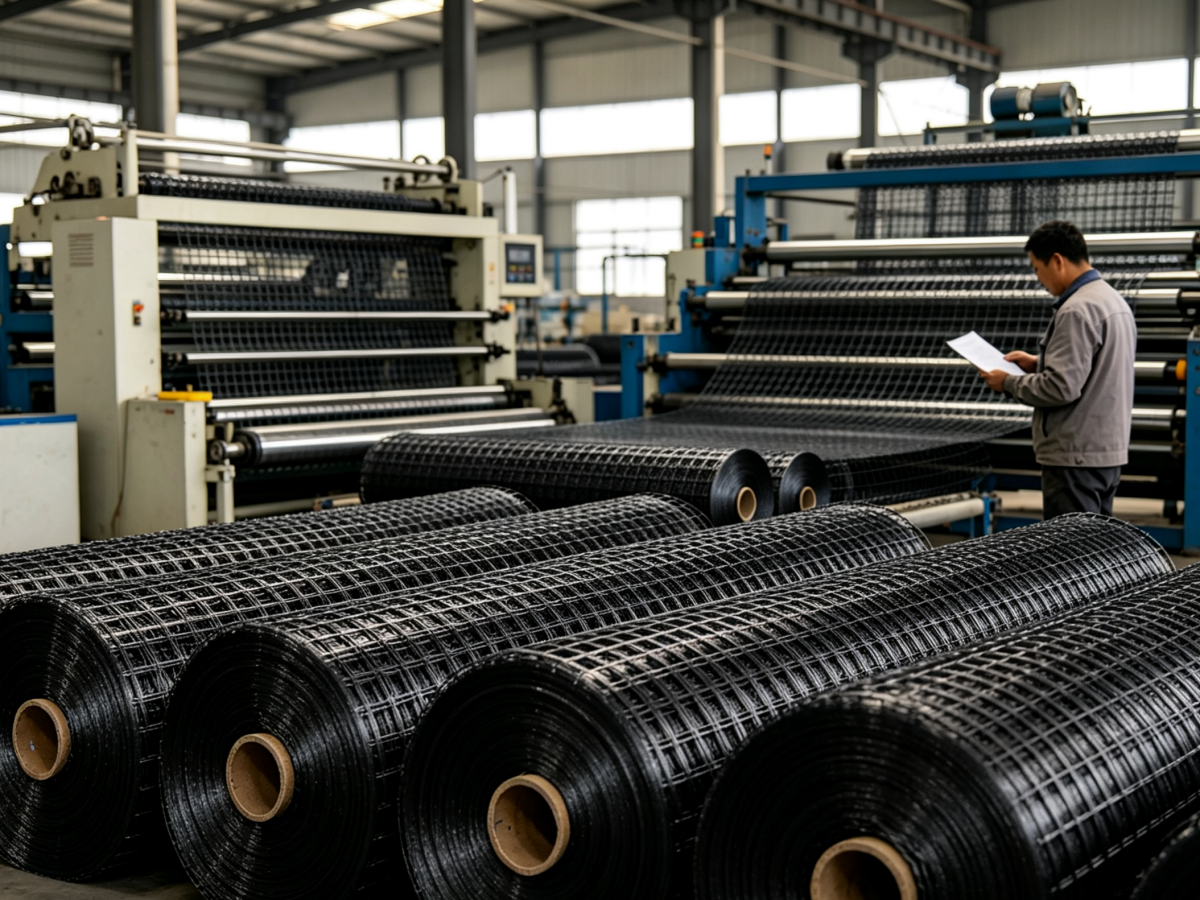
The lowest price does not necessarily mean the best value. When comparing manufacturers, consider their overall capabilities:
raw material quality, production processes, product lifespan, factory experience, dispatch capacity and after-sales service.
Higher-quality products, even if slightly more expensive, require fewer replacements and less after-sales support in the long run,
leading to higher customer repurchase rates and better overall value for money.
Before placing an order, be sure to confirm the following details with the manufacturer:
- Minimum order quantity
- Whether samples can be sent
- Production lead time for standard orders
- Dispatch date and delivery times
- Packaging standards and requirements for customised packaging
Reputable manufacturers will provide a clear production schedule, dispatch goods on time and ensure the smooth delivery of orders.
Finding a factory with a comprehensive product range eliminates the need to compare and source from multiple suppliers,
making the process both hassle-free and efficient. A high-quality factory can supply all types of agricultural netting products:
mole-proof netting, deer-proof netting, bird-proof netting, insect-proof netting, horticultural fencing, livestock netting, plant
trellis netting, etc.
Wholesalers and distributors can source all their goods from a single factory, saving time on coordination and reducing procurement costs.
We are a specialist source factory for agricultural plastic netting, specialising in the production of various types of agricultural
protective netting. We can provide both standard and customised products to customers worldwide.
The benefits of working with us:
- Direct factory sales, with no mark-ups from intermediaries
- Many years’ experience in manufacturing agricultural netting
- All products contain UV-resistant additives, ensuring durability outdoors and resistance to ageing
- Customisable dimensions, colours, packaging and private labelling available
- Ample production capacity to fulfil large-volume international orders
- Full quality inspection prior to dispatch, ensuring consistent quality
- Extensive export experience, enabling us to meet the requirements of orders from various countries
Our main products include bird netting, insect netting, deer netting, mole netting, garden fencing and various types of
customised plastic netting. Whether you are a wholesaler, distributor or agricultural supplies supplier, we can provide
consistent quality and professional international trade services.
When selecting a reliable manufacturer of agricultural netting, key considerations include raw materials, production
processes, quality control standards, production capacity and industry experience. Products from reputable manufacturers
offer consistent quality and fair pricing, whilst also supporting customisation, helping to ensure the long-term stability of your business.
Working directly with a specialist manufacturer reduces procurement risks and helps establish a stable, reliable supply chain.
 Previous: None