When purchasing fencing, many farms’ first instinct is to compare prices and buy whatever is cheapest. However, once in
use,they realise that whilst some fencing may seem economical at first, it rusts, rots or warps within a year or two, requiring
constant repairs and replacements—ultimately costing them more.
Currently, the two most commonly used types of fencing on farms worldwide are plastic safety netting and metal wire mesh.
The two differ completely in terms of their suitable applications, cost structures and durability.This article will help you understand
once and for all: which type of fencing is better value for money, more practical and requires less maintenance.
Plastic protective netting:
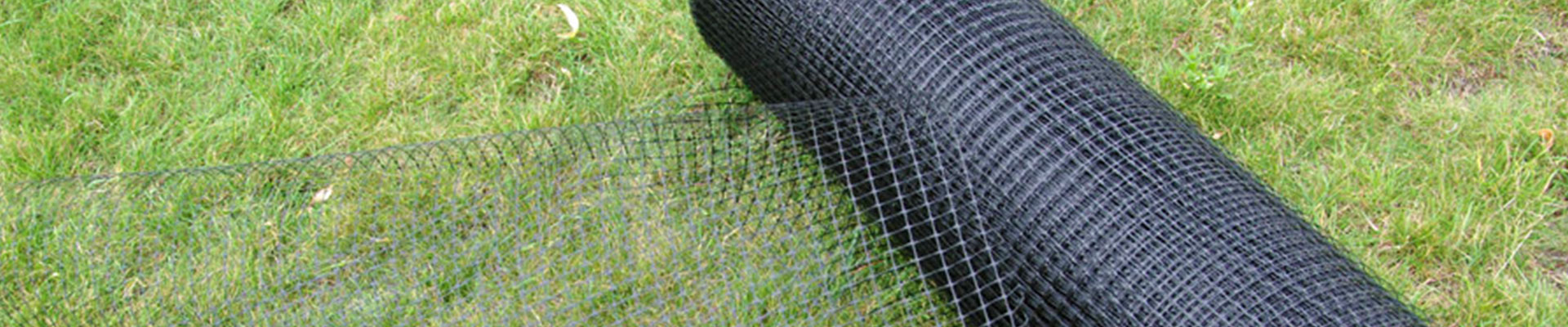
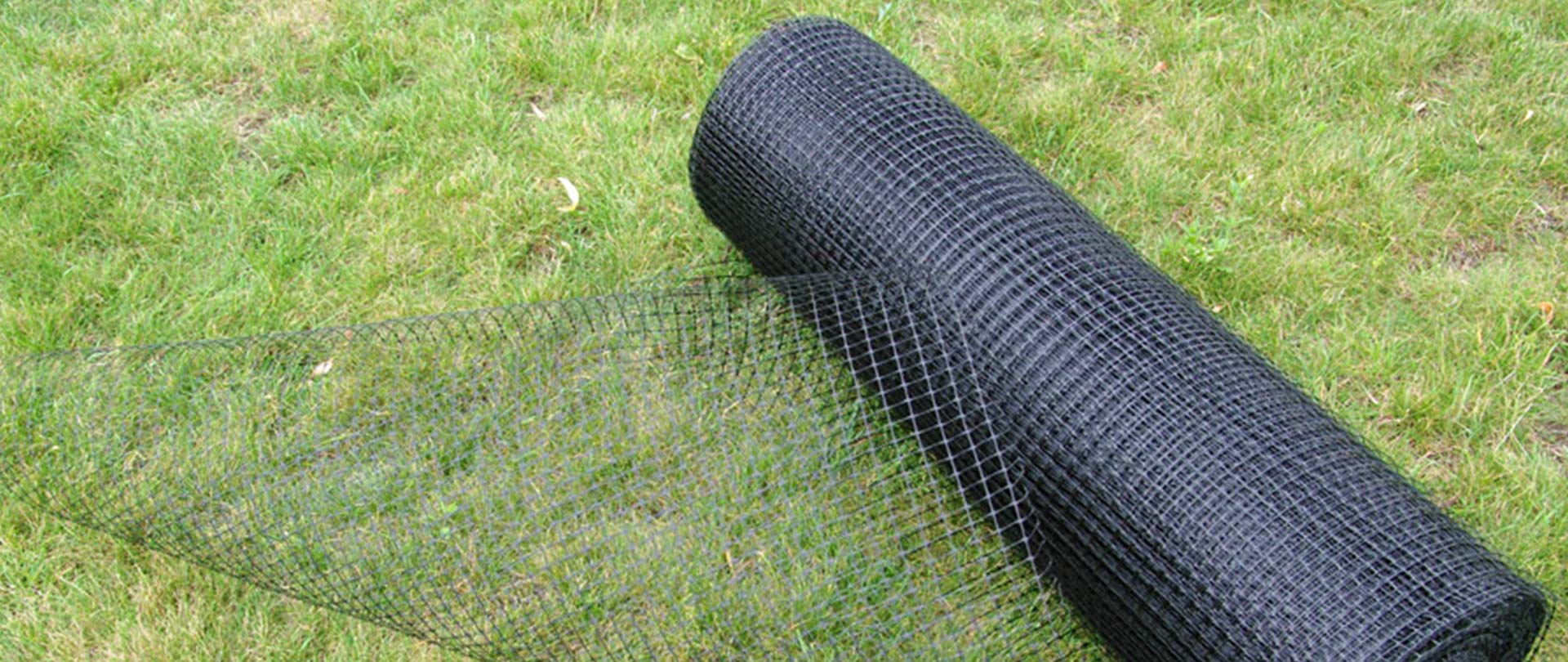
Made from outdoor-grade, anti-ageing materials, it is lightweight, highly flexible and resistant to water and damp.Its main
advantages are that it does not rust, requires no maintenance and adapts to various terrains.
Wire mesh fencing:
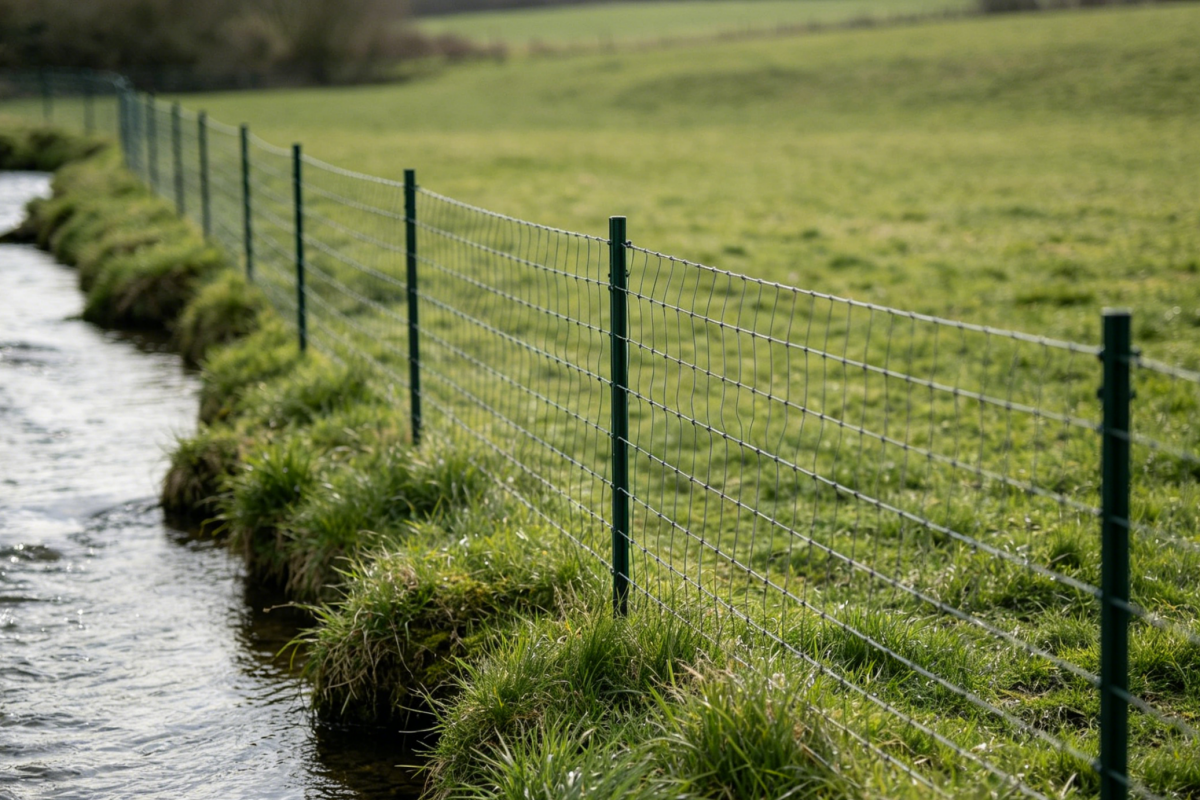
Made of metal, it is highly rigid, impact-resistant, and robust.It offers a higher level of protection and is suitable for sites
requiring protection against theft or collisions with large animals.Its disadvantages are that it is susceptible to damp, prone
to rust, and requires considerable maintenance.
1. Product Price at the Time of Purchase:
Assuming the same height and mesh size, the purchase price of plastic protective netting is significantly lower than that of
wire mesh.
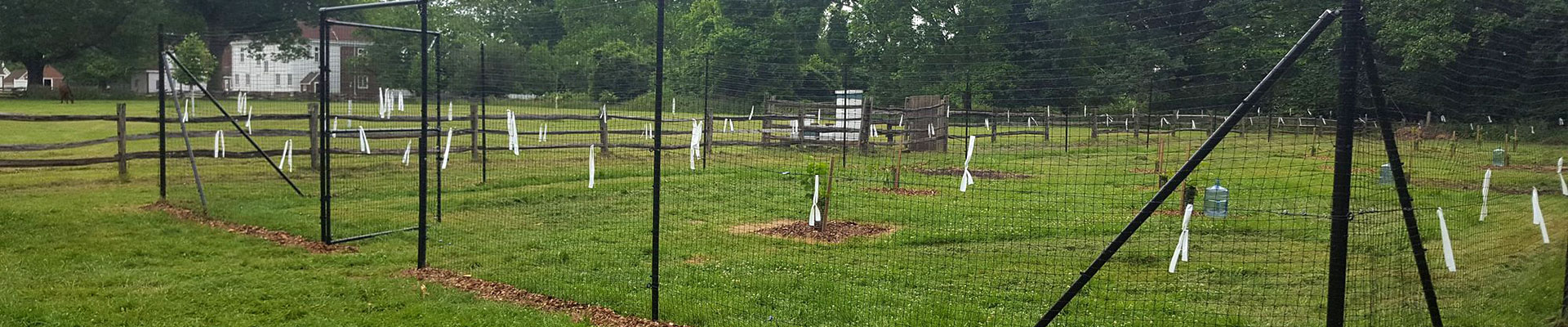
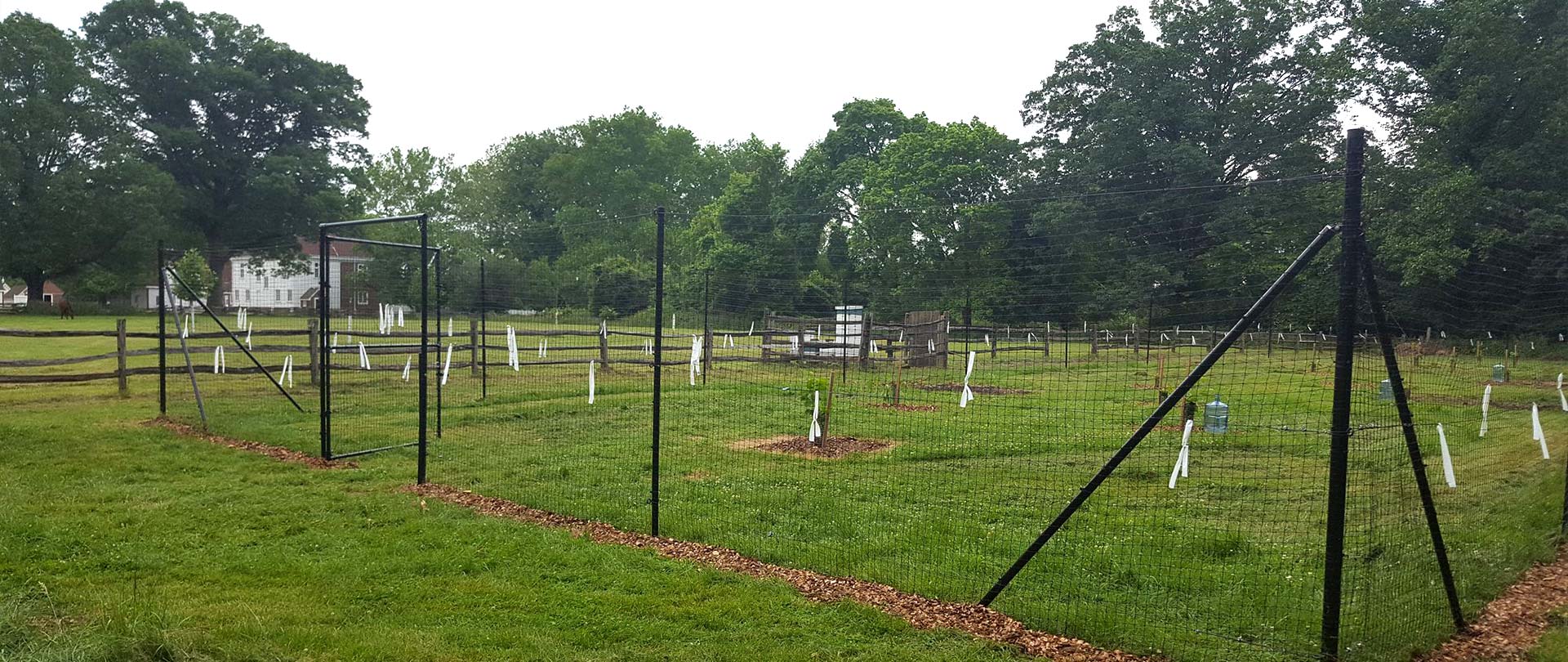
Plastic netting is the more economical choice for enclosing large areas, such as orchards or livestock enclosures.
Wire mesh has a high raw material cost; whether standard galvanised or plastic-coated, the overall unit price is higher, resulting
in greater expenditure when installed over large areas.
2. Cost of Additional Fittings During Installation:
Plastic netting is exceptionally simple to install; it can be secured using standard posts and cable ties, without the need for
densely spaced stakes. Posts can be spaced further apart, requiring fewer fittings and resulting in significant cost savings.
Wire mesh is heavy and rigid, making installation more demanding. It requires reinforced posts and specialised fittings, as
well as densely spaced stakes for securing it. As more materials are used, installation costs are naturally higher.
3. Long-term maintenance and replacement costs:
This is where the difference between the two is most pronounced.
Plastic protective netting is resistant to rain, intense sunlight and corrosion. It will not rust or chalk even after years of outdoor
use, requiring virtually no maintenance; once installed, it can be left to its own devices for years on end.
Wire mesh is highly dependent on the environment. In damp, rainy or dewy farm environments, the metal is prone to oxidation
and rust. Over time, it will peel, become loose or break, requiring regular repairs, rust removal and replacement, resulting in
additional annual expenses. Over the long term, the total cost far exceeds that of plastic netting.
4. Cost Summary:
For long-term use over large areas, plastic protective netting offers better value for money overall. However, for small areas
requiring extremely high-strength protection, wire mesh is the better investment.
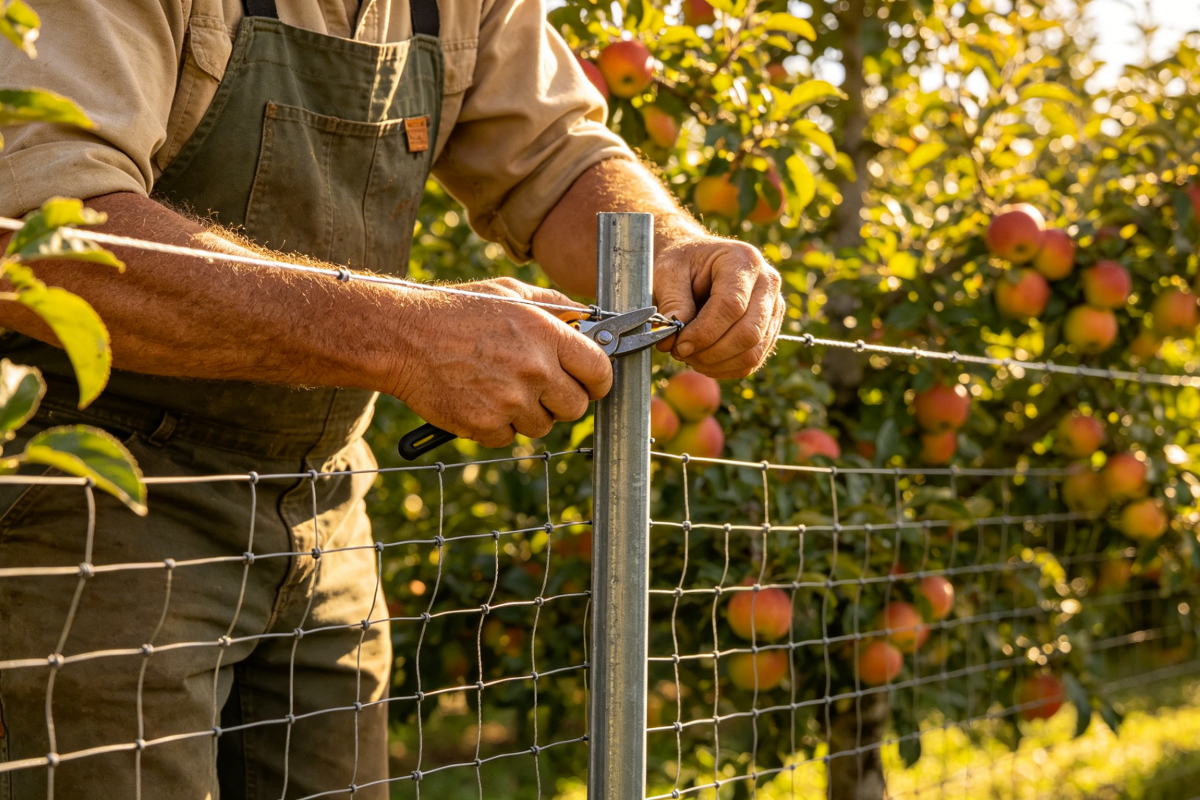
1. Difficulty of Handling and Installation:
Plastic protective netting is very lightweight; a single person can easily carry, unroll and cut it. Installation is particularly straightforward;
no specialist tools are required, and the average person can manage it themselves, saving both time and effort.
Wire mesh, on the other hand, is heavy and rigid, with sharp edges, requiring at least two people to handle and install it. Cutting
and shaping it is laborious, resulting in slower installation and higher labour costs.
2. Adaptability to Terrain:
Farmland is often uneven, featuring slopes, uneven surfaces and irregularly shaped plots.
Plastic netting is highly flexible and can be bent at will, conforming perfectly to all kinds of complex terrain. It copes well with bends
and changes in elevation, resulting in a tight and attractive finish without compromising protective effectiveness.
Wire mesh has a fixed, rigid shape and cannot be bent at will. It is difficult to fit snugly on uneven ground, often resulting in large
gaps and an uneven appearance, making installation challenging.
Choose plastic protective netting (good value for money, maintenance-free):
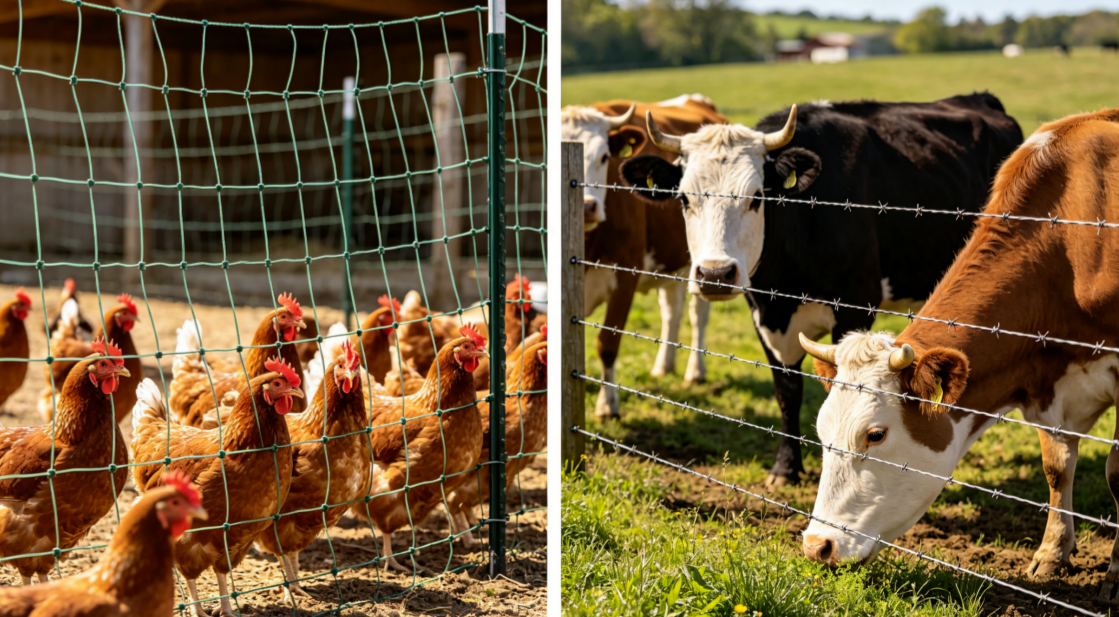
- Enclosures for small-scale poultry and livestock farming
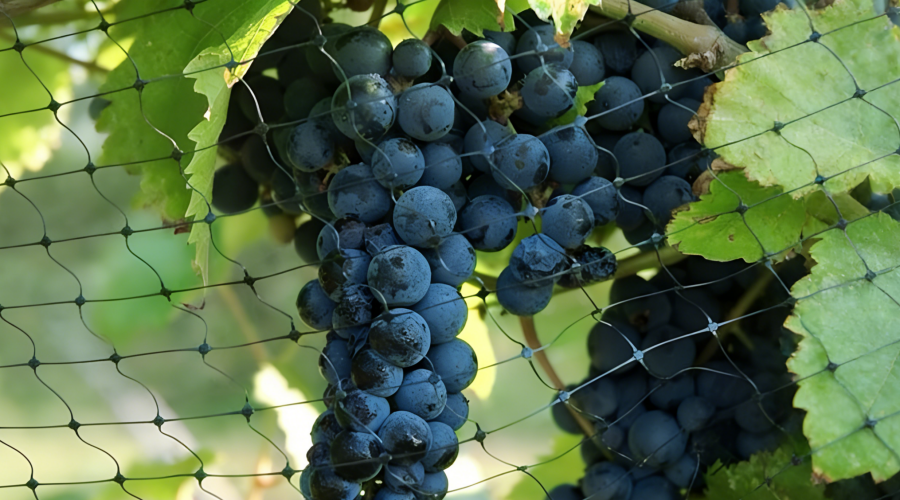
- Protection and fencing for orchards, vegetable gardens and farmland
- Enclosing areas on slopes, in mountainous terrain and other complex topography
- Large-scale sites requiring low costs and minimal maintenance
Choosing Wire Mesh (High Strength, High Security):
- Fencing for large livestock such as cattle, sheep and pigs
- Perimeter boundaries of farms to prevent theft and wildlife intrusion
- Core protection areas requiring impact resistance and long-term stability
For the vast majority of ordinary farms, cultivation bases and small-scale livestock farms, plastic protective netting offers
better overall value for money: it is inexpensive to purchase, simple to install, labour-saving, maintenance-free and has a
reliable service life, fully meeting everyday security requirements.
If your site requires high-strength security, protection against large animals or theft prevention, then combining it with wire
mesh as needed is the most cost-effective farm fencing solution.